From the outside looking in, starting an independent tree care company seems like a straightforward path to financial freedom. You see massive bucket trucks rolling down the street, hear the roar of heavy-duty chippers, and observe quotes running into thousands of dollars for a single day’s work. The barrier to entry appears manageable—buy a pickup truck, invest in a couple of professional chainsaws, purchase some rigging gear, and start taking down hazardous trees.
Transitioning from a skilled tree climber to a successful business owner requires far more than physical strength and courage. It demands mastering complex job costing, managing massive equipment depreciation, controlling sky-high insurance premiums, and building a safety culture that protects your crew every single day.
Facing High-Risk Field Operations and Physical Danger
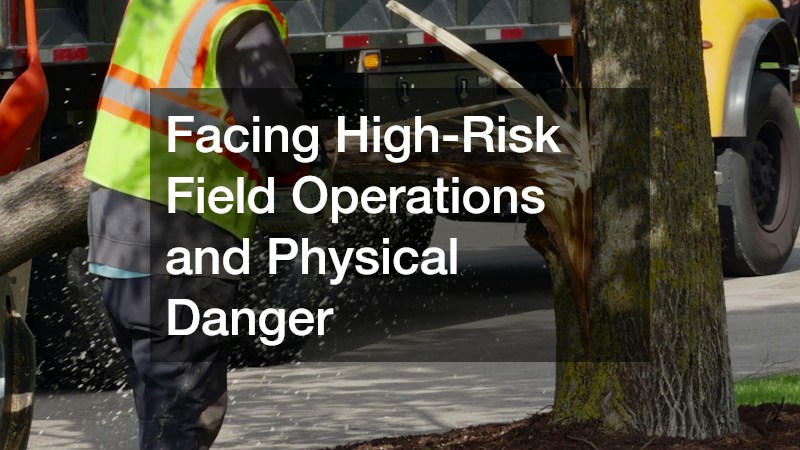
Safety in arboriculture is not merely an administrative checkbox; it is the absolute foundation of your business’s survival. Tree work combines high-elevation climbing, heavy rigging physics, unstable loads, sharp cutting equipment, high-voltage power lines, and unpredictable environmental conditions. Operating without rigorous safety protocols is not a calculated risk—it is a guaranteed path to disaster.
Every job site must begin with a formal Job Safety Analysis (JSA) conducted before any equipment is unloaded or any climber leaves the ground. Walk the property with your entire crew to identify site-specific hazards: overhead utility lines, rotting trunk cores, lean angles, structural decay, soft ground conditions, and nearby structures. Mandatory daily tailgate safety meetings ensure that every team member understands the drop-zone limits, cutting plans, and emergency stop signals.
Personal Protective Equipment (PPE) standards must be non-negotiable across your entire fleet. All crew members must wear chainsaw protective chaps, high-impact helmets with face shields, eye protection, heavy-duty steel-toe boots, and high-visibility apparel. Equipping ground crews and climbers with Bluetooth communication headsets eliminates miscommunication over deafening machinery, allowing seamless voice contact during complex rigging maneuvers.
Managing hazardous structural removals requires deep technical knowledge of rigging forces. Ground crews must understand how dynamic load forces impact lowering ropes, friction brakes, and anchor points. When executing a complex residential tree removal, crew members must calculate piece weights accurately to avoid overloading lowering points or tearing down power lines.
Whether your crews are executing delicate canopy pruning or performing a full-scale tree cutting service, strict drop-zone perimeters must be maintained. Keep unauthorized bystanders and non-essential ground personnel clear of falling timber zones, using bright safety cones and caution tape to secure the work footprint.
- Conduct mandatory Job Safety Analyses: Evaluate site hazards, decay patterns, overhead utilities, and drop zones before starting any equipment.
- Enforce non-negotiable PPE standards: Require helmets, eye protection, chainsaw chaps, steel-toe boots, and high-visibility gear on all sites.
Navigating Massive Capital Outlays and Equipment Logistics
One of the most shocking surprises for new tree service owners is the relentless capital requirement needed to maintain competitive equipment. A solo operator can survive for a short time with ropes, saws, and a pickup truck, but scaling a real business requires heavy machinery. Chippers, aerial bucket trucks, skid steers, mini-loaders, and heavy transport trailers represent hundreds of thousands of dollars in capital investment.
To avoid getting crushed by machinery debt, you must calculate the true hourly operating cost of every machine in your fleet. An equipment rate is not just the monthly loan payment; it must include fuel consumption, hydraulic fluid changes, tire wear, sharpening costs, routine engine maintenance, and long-term depreciation. Knowing these exact hourly costs allows you to factor equipment usage directly into your customer job quotes.
Before taking on massive long-term equipment debt, evaluate your fleet utilization rates. If you only need a specialized 100-foot spider lift or a heavy excavator twice a month, committing to a five-year purchase loan can drain your cash flow during slow winter seasons. Utilizing short-term heavy equipment rental options allows you to complete specialized, high-ticket jobs without carrying continuous monthly debt obligations.
Establishing strict preventive maintenance protocols protects your equipment investments and prevents costly job-site breakdowns. Implement daily pre-trip inspection logs for all vehicles and machinery. Require operators to check oil levels, inspect hydraulic hoses for wear, grease fittings, test safety auto-feed features on chippers, and sharpen saw chains before leaving the shop every morning.
Disposal logistics represent another major operational cost. High-volume removals generate massive amounts of wood chips, brush, and heavy logs that must be hauled off-site quickly. On large residential projects where chip trucks would require multiple trips, renting dedicated roll-off dumpster rental containers allows your crews to stay on-site and focus on cutting rather than driving back and forth to dumping yards.
- Calculate true hourly machine operating costs: Factor fuel, hydraulic maintenance, tire wear, and depreciation into your equipment job costing.
- Audit fleet utilization before buying: Compare short-term rental costs against monthly purchase loans for specialized, low-use machinery.
Mastering Job Costing, Estimating, and Profit Margins

The most common reason tree care companies go out of business is not a lack of work—it is underpricing their jobs. Many inexperienced owners calculate quotes based on visual guesswork or what their competitors charge, completely ignoring their own company’s internal overhead costs. In a high-risk industry, underpricing jobs destroys profit margins and forces crews to rush, dramatically increasing accident risks.
Accurate estimating begins with determining your company’s true “break-even crew-hour rate.” Add together your total fixed overhead—shop rent, office salaries, commercial insurance, software fees, marketing, and licensing—and divide it by the total billable hours your field crews work per year. Add field labor wages, equipment operating costs, disposal fees, and your desired profit margin to establish your baseline billable hourly rate.
Never quote complex, dangerous jobs without factoring in explicit hazard premiums. A 90-foot dead oak leaning over a glass sunroom with no backyard crane access carries exponentially more risk than an open yard removal. Your pricing must reflect the physical difficulty, specialized rigging requirements, potential property liability, and technical skill needed to execute the job safely.
Marketing your services effectively ensures a steady stream of high-margin leads. Build a dominant local online presence so property owners searching for trustworthy local tree removal options find your business first. Highlight your insurance coverage, professional certifications, and verified customer reviews on your website to build immediate trust.
To smooth out seasonal revenue swings, expand your service offerings beyond basic removals. Offer comprehensive residential tree services, including structural canopy pruning, crown reduction, deep-root fertilization, cabling, and insect management. Educating homeowners on proactive tree health care builds stable, recurring year-round relationships.
- Calculate your exact break-even crew-hour rate: Include fixed overhead, labor wages, machinery operating costs, and profit margins in base rates.
- Apply hazard pricing premiums: Increase rates for compromised trees, tight space access, power line proximity, and high-value property risks.
Unlocking High-Volume Commercial and Land Development Revenue
While residential service calls provide steady cash flow and quick payouts, expanding into commercial site development and municipal contracts allows you to secure large-scale revenue that keeps your crews busy weeks or months in advance. Commercial contracts offer high-volume work that maximizes equipment efficiency.
Commercial site preparation requires heavy-duty clearing capabilities. Land developers, civil engineering firms, and general contractors need fast, complete vegetation removal to prepare raw land for building foundations, roadways, and utility corridors. Investing in or sub-contracting forestry mulchers, horizontal grinders, and excavators allows your company to bid on extensive lot clearing projects that command high total contract values.
Building relationships with commercial property managers, homeowners associations (HOAs), golf courses, and municipal public works departments provides predictable contract work. Offer comprehensive annual tree care agreements that include routine hazard inspections, storm clearance readiness, and scheduled canopy maintenance across commercial properties.
Large-scale land clearing and commercial removals yield massive volumes of high-value timber that should not be wasted or chipped into cheap mulch. Establish commercial sales channels for your raw timber assets. Partnering with local sawmills, paper mills, or commercial logging operations allows you to turn large-diameter hardwood and pine logs into additional top-line revenue.
Winning commercial contracts requires strict administrative compliance. Commercial general contractors and municipalities demand detailed safety plans, certified drug-free workplace policies, high-limit commercial general liability policies, and specialized bonding capabilities before allowing any contractor on-site.
- Target commercial property managers and HOAs: Offer recurring annual maintenance agreements to secure predictable corporate revenue.
- Invest in land clearing technology: Utilize forestry mulchers and excavators to win large-scale commercial site preparation bids.
Monetizing Waste Streams and Building Community Alliances

In the tree care industry, waste handling is typically viewed as a major expense. Tipping fees at local landfills and organic recycling yards can easily cost thousands of dollars per month. However, innovative business owners turn their daily waste streams into profitable secondary revenue channels, transforming disposal costs into positive cash flow.
Hardwood logs removed during residential jobs represent valuable energy assets. Instead of paying to dump dense oak, hickory, or maple logs, process them at your shop yard using commercial log splitters. Seasoning and selling split firewood during fall and winter months generates steady cash flow when regular trimming and removal work slows down.
Wood chips are another massive byproduct that can be monetized or redirected efficiently. Build connections with local organic farms, mushroom growers, community gardens, and residential gardeners who need clean wood chips for soil mulching. Utilizing wood chip referral networks allows your drivers to drop chip loads at nearby residential or agricultural locations for free, eliminating long trips to commercial dump sites and saving on fuel and tipping fees.
Forming strong referral alliances with complementary local businesses generates a continuous stream of qualified, low-cost leads. Partner with local nurseries, landscape architects, garden centers, and lawn care companies that do not perform large-scale tree work. Offer reciprocal referral commissions or cross-promotional discounts so they send their clients to you whenever major structural removals or canopy pruning is required.
Furthermore, offer instant add-on services right after completing a major removal. Equipping a dedicated crew member with a high-horsepower stump grinder allows you to upsell stump removal, soil backfilling, and turf re-seeding on the spot, maximizing the total revenue earned from every job site visit.
- Process hardwood logs into seasoned firewood: Cut, split, and dry hardwood logs to generate steady winter sales during off-peak months.
- Eliminate tipping fees via chip networks: Drop clean wood chips at local farms, gardens, and residential properties to reduce disposal costs.
Controlling Astronomical Insurance Costs and Building Team Culture
Managing insurance costs is one of the most brutal financial hurdles in the tree care industry. Because arboriculture carries high risks of catastrophic injuries and property damage, insurance underwriters scrutinize tree service operations intensely. Uncontrolled insurance premiums can quickly erode your hard-earned profit margins.
Workers’ compensation insurance is often a tree service’s single largest administrative expense, sometimes costing $20 to $40 or more for every $100 paid in field wages. The key to controlling workers’ compensation costs is maintaining an flawless safety record, which directly lowers your Experience Modification Rate (EMR). A lower EMR multiplier discounts your insurance premiums, giving you a massive financial advantage over competitors with poor safety records.
Commercial general liability insurance must be tailored specifically for high-risk tree care operations. Ensure your policy includes explicit coverage for crane operations, drop-zone property damage, boom trucks, and chemical application if you offer plant health care. Working with an insurance broker who specializes exclusively in arboriculture and forestry ensures you carry adequate coverage without paying for unnecessary policy exclusions.
Controlling insurance costs goes hand-in-hand with building a strong, professional team culture. High employee turnover is a major problem in the trade, and constantly hiring inexperienced ground workers increases safety risks. Retain top-tier talent by offering competitive hourly wages, performance bonuses, health benefits, paid time off, and structured technical training.
Invest in your team’s professional development by supporting International Society of Arboriculture (ISA) certifications and specialized safety training programs. Encouraging your ground crew and climbers to become ISA Certified Arborists or Certified Treecare Safety Professionals (CTSP) elevates your company’s professionalism, reduces workplace accidents, and justifies charging premium rates to your clients.
- Lower your Experience Modification Rate: Maintain a clean workplace safety record to earn substantial discounts on annual workers’ compensation insurance.
- Partner with specialized insurance brokers: Work with agents who specialize in arboriculture to secure comprehensive, cost-effective policies.
Key Performance Indicators for Tree Service Owners
Tracking key operational and financial metrics allows you to make data-driven decisions that protect your cash flow and drive business growth:
- Revenue Per Crew-Hour: Measure total daily invoice revenue divided by total billable hours worked by field crews (target a rate that comfortably covers labor, overhead, and profit).
- Experience Modification Rate (EMR): Monitor your safety rating closely; keeping your EMR below 1.0 reduces workers’ compensation costs significantly.
Owning and operating a tree service business is not for the faint of heart. It demands an extraordinary combination of physical courage, technical mastery, equipment maintenance, safety discipline, and financial acumen. The dangers are real, the capital requirements are heavy, and the operational pressure is constant.
Focus on building an uncompromising safety culture, calculating accurate job costs, investing strategically in your fleet, and nurturing a team of skilled, certified professionals. In doing so, you will master both the danger and the dollar, building a respected, thriving tree care company that delivers long-term financial security and pride of workmanship for years to come.