Introduction
Your home is more than a place to live—it’s one of your most significant financial investments. Whether you’re planning to stay for decades or preparing for a future sale, strategic improvements can dramatically increase both comfort and long-term value. The key is knowing which upgrades truly matter and how to prioritize them effectively.
Rather than focusing only on cosmetic changes, homeowners should take a comprehensive approach that balances structural integrity, system efficiency, curb appeal, and functional living space. When improvements are thoughtfully planned and professionally executed, they not only enhance daily life but also protect against costly future repairs.
In addition, smart upgrades can improve energy efficiency, reduce insurance risks, and make your home more appealing in competitive markets. Buyers and appraisers often look beyond surface-level finishes to evaluate the condition of major systems and structural components. Investing wisely today can translate into fewer emergencies tomorrow and stronger negotiating power if you decide to sell. A well-maintained, thoughtfully upgraded home provides peace of mind alongside financial return.
This guide explores the essential services that help you build, repair, and enhance your home in ways that add measurable value.
Start With a Whole-Home Evaluation Before Planning Any Upgrades
Before beginning any major project, conduct a full evaluation of your property. Many homeowners make the mistake of upgrading finishes while overlooking aging systems or hidden structural concerns. A fresh coat of paint cannot compensate for an aging roof or outdated wiring, and ignoring foundational issues can lead to significantly higher repair costs later.
Taking the time to assess your home holistically allows you to uncover small issues before they escalate. It also ensures that any new improvements are built on a solid foundation, both structurally and financially.
Conduct a Systematic Inspection
Review the condition of:
- Roofing materials
- Plumbing lines
- Electrical systems
- HVAC equipment
- Windows and doors
- Foundation and drainage
Document visible wear, recurring maintenance issues, and areas that feel inefficient or outdated. Pay attention to subtle warning signs such as minor cracks, inconsistent room temperatures, or occasional drainage backups. These early indicators often reveal larger underlying problems that should be addressed before cosmetic upgrades begin.
When to Bring in Professional Oversight
For complex or multi-phase renovations, consulting a general contractor can streamline the process. A qualified general contractor can:
- Evaluate structural limitations
- Identify code compliance requirements
- Coordinate subcontractors
- Create realistic timelines
- Prevent costly sequencing mistakes
Early planning prevents duplication of work. For example, opening walls for plumbing upgrades is more efficient if coordinated with insulation or cabinetry changes. Professional oversight also reduces stress by centralizing communication and ensuring that each trade understands the overall project goals.
Create a Prioritized Upgrade Plan
Divide your improvements into categories:
- Structural and safety issues
- System efficiency upgrades
- Exterior improvements
- Interior functional enhancements
Addressing concerns in this order ensures long-term stability before investing in aesthetics. Establishing a written timeline and budget for each phase keeps spending controlled and prevents impulse decisions. By treating upgrades as a structured investment strategy rather than isolated projects, you can steadily improve your home’s condition while maintaining financial balance.
Address Water, Drainage, and Fixture Issues Before They Escalate
Water damage is one of the most expensive and disruptive problems homeowners face. Small leaks can quietly cause rot, mold, and structural weakening.
Signs You Need Immediate Attention
-
Unexplained increases in water bills
-
Low water pressure
-
Discolored ceilings or walls
-
Musty odors near sinks
-
Slow drains
Scheduling a professional plumbing service can prevent minor leaks from turning into major structural repairs.
Upgrade Outdated Plumbing Components
Modernizing plumbing systems offers both performance and efficiency benefits:
-
Replace galvanized pipes with PEX or copper
-
Install water-saving faucets and showerheads
-
Upgrade to high-efficiency toilets
-
Add shut-off valves for easier maintenance
Preventative inspections from a reputable plumbing service help identify corrosion, loose fittings, and potential failure points before emergencies occur.
Plan Plumbing Work Strategically
If you are remodeling kitchens or bathrooms, complete plumbing updates before installing new cabinets or flooring. Coordinated planning avoids tearing out finished work later.
Strengthen and Protect Your Home’s First Line of Defense
Your roof shields everything beneath it. Even small weaknesses can allow water intrusion that compromises insulation, drywall, and structural framing.
Signs Your Roof Needs Attention
-
Missing or curling shingles
-
Sagging rooflines
-
Water stains in attic spaces
-
Granules collecting in gutters
-
Rising energy bills
Timely roof repairs extend lifespan and prevent interior damage.
Upgrade for Long-Term Efficiency
Beyond traditional materials, solar roofing offers both protection and energy generation. Integrating solar roofing during replacement can:
-
Reduce long-term energy costs
-
Increase resale value
-
Qualify for tax incentives
-
Improve environmental sustainability
Protect Your Investment
After completing roof repairs, maintain performance with:
-
Annual inspections
-
Storm damage evaluations
-
Proper attic ventilation
-
Clean gutters and flashing
A strong roofing system protects structural integrity and reduces maintenance costs across the home.
Improve Curb Appeal With Smart Exterior Enhancements
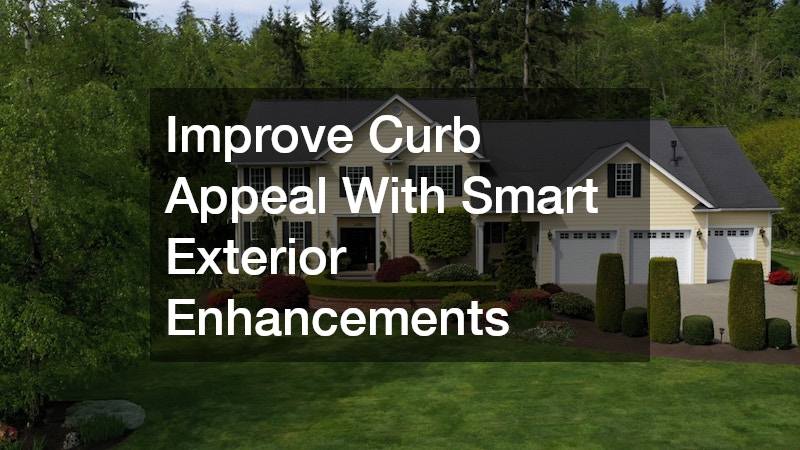
First impressions matter. Exterior improvements increase perceived value and make your home more inviting.
Evaluate Landscape Health and Function
A professional landscaping company can assess drainage, plant health, and overall layout efficiency.
Strategic landscaping improvements may include:
-
Regrading soil for proper drainage
-
Installing irrigation systems
-
Planting low-maintenance shrubs
-
Adding mulch for moisture control
A reputable landscaping company can also design lighting plans that enhance security and nighttime curb appeal.
Focus on Low-Maintenance Solutions
Choose:
-
Native plants suited to your climate
-
Permeable pavers to reduce runoff
-
Durable edging materials
-
Drought-resistant landscaping
Well-designed landscaping not only beautifies your property but also prevents erosion and foundation issues.
Upgrade Outdoor Living Spaces for Function and Entertainment
Outdoor spaces are increasingly viewed as extensions of the home.
Evaluate Existing Structures
Check for:
-
Loose railings
-
Rotting boards
-
Rusted fasteners
-
Uneven footings
Working with a skilled deck builder ensures your structure meets safety codes and durability standards.
Design for Longevity and Comfort
A professional deck builder can recommend:
-
Composite decking for low maintenance
-
Pressure-treated lumber for durability
-
Built-in seating
-
Integrated lighting
-
Shade structures
Outdoor upgrades often provide strong return on investment while enhancing daily enjoyment.
Modernize Storage and Interior Organization for Better Functionality

Efficient storage improves both aesthetics and daily functionality.
Upgrade Kitchen and Storage Layouts
Partnering with a custom cabinet company allows you to tailor solutions to your space.
Benefits include:
-
Maximized vertical storage
-
Soft-close hardware
-
Durable finishes
-
Optimized pantry layouts
A custom cabinet company can design cabinetry around appliances, improving workflow and reducing clutter.
Plan Cabinetry Upgrades Strategically
Coordinate cabinetry installation with:
-
Flooring replacement
-
Appliance upgrades
-
Lighting improvements
-
Plumbing adjustments
Thoughtful planning ensures seamless integration and long-term durability.
Restore Flooring to Extend Interior Lifespan
Flooring plays a central role in both comfort and property value.
Signs Your Flooring Needs Attention
-
Ripples or buckling
-
Visible seam separation
-
Persistent stains
-
Worn traffic areas
A professional carpet repair company can restore damaged sections without requiring full replacement.
When to Repair vs. Replace
Consult a carpet repair company if:
-
Damage is localized
-
Padding remains intact
-
Seams can be resealed
-
Stretching can correct wrinkles
Proper maintenance—regular vacuuming, prompt stain treatment, and professional cleaning—extends flooring lifespan.
Improve Accessibility, Security, and Convenience at Entry Points
Garage access is often overlooked until problems arise. Because many homeowners use the garage as their primary entry point, its reliability directly affects daily convenience and overall home security. A malfunctioning system can disrupt routines, compromise safety, and even leave your property vulnerable to intruders or weather damage.
Warning Signs of Operational Issues
-
Slow or jerky movement
-
Loud grinding noises
-
Remote malfunction
-
Gaps in weather sealing
These symptoms often indicate deeper mechanical wear. Springs may be losing tension, rollers could be deteriorating, or tracks might be misaligned. Ignoring these early warning signs increases strain on the opener and other components, potentially leading to sudden failure.
Prompt garage door repair prevents full system failure. Addressing minor issues early can:
-
Extend the lifespan of the opener motor
-
Prevent costly emergency replacements
-
Improve insulation performance
-
Reduce strain on structural framing
Homeowners should also periodically inspect cables, brackets, and mounting hardware for corrosion or loosening. Even small alignment issues can cause uneven weight distribution, which accelerates wear.
Enhance Performance and Safety
Professional garage door repair services can:
-
Replace worn springs
-
Adjust track alignment
-
Upgrade openers
-
Install safety sensors
Modern systems offer enhanced features such as rolling-code security technology, smartphone integration, and automatic lighting. Upgrading outdated openers not only improves convenience but also enhances protection against unauthorized access.
Safety should remain a top priority. Advanced sensor systems detect obstructions and automatically reverse door movement, reducing injury risk. Properly tensioned springs and balanced doors prevent sudden slamming or collapse.
Weather sealing is another critical element. Replacing cracked bottom seals and side weather stripping:
-
Reduces drafts
-
Blocks moisture intrusion
-
Keeps pests out
-
Improves overall energy efficiency
Well-maintained doors improve insulation, protect vehicles, and enhance home security. Since the garage often shares walls with interior living spaces, ensuring proper insulation and sealing can also reduce heating and cooling costs.
Keep Renovation Projects Clean and Efficient From Start to Finish
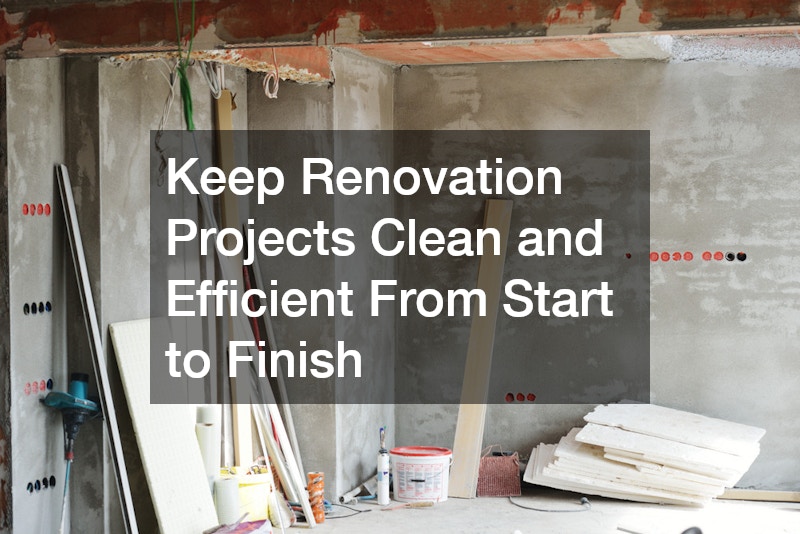
Construction debris can slow progress and create safety hazards. Without a clear disposal strategy, materials accumulate quickly, cluttering work areas and increasing the risk of trips, falls, and damage to finished surfaces.
Plan Disposal Before Demolition
Scheduling a roll off dumpster rental ensures organized cleanup. Having a designated disposal container on-site from day one allows contractors to remove debris immediately instead of stacking it in driveways or yards.
Choose sizes based on scope:
-
10-yard for small projects
-
20-yard for remodels
-
30–40-yard for large renovations
Selecting the appropriate roll off dumpster rental prevents overfilling and reduces the need for multiple hauls. Proper sizing also keeps costs predictable and timelines intact.
Efficient debris management offers additional benefits:
-
Faster demolition phases
-
Cleaner and safer work environments
-
Reduced neighborhood disruption
-
Easier material sorting for recycling
Safe Placement and Waste Management
Protect driveways with plywood
Avoid blocking access points
Separate recyclable materials
Schedule timely pickups
Placement matters. Dumpsters should be positioned where contractors can easily access them without obstructing emergency exits or neighboring properties. Confirm local regulations and permit requirements if placing containers on public streets.
Responsible waste management also improves sustainability. Sorting materials such as wood, metal, and concrete for recycling reduces landfill impact and may lower disposal fees.
Efficient debris management speeds project completion and reduces liability risks. A clean site allows crews to move efficiently, protects homeowners from hazards, and demonstrates professionalism throughout the renovation process.
Coordinate Multi-Service Projects for Maximum Return on Investment
Bundling improvements reduces costs and prevents rework. When multiple upgrades are planned strategically, labor and material efficiencies often translate into measurable savings.
Strategic Project Sequencing
Examples:
-
Complete plumbing upgrades before cabinetry installation
-
Finish roof repairs before attic insulation upgrades
-
Install decking after landscaping grading
Proper sequencing avoids tearing out newly completed work. For instance, installing flooring before addressing ceiling leaks or structural framing issues can lead to unnecessary damage and duplicate expenses.
Hiring a general contractor simplifies coordination between trades and ensures projects progress smoothly. A general contractor can:
-
Develop comprehensive project timelines
-
Oversee inspections and permits
-
Manage subcontractor scheduling
-
Resolve unforeseen conflicts
Integrated scheduling also minimizes disruption to daily life. Instead of juggling separate contractors over several months, homeowners benefit from consolidated timelines and clearer communication.
Negotiate Combined Services
When bundling services:
-
Request detailed written estimates
-
Align timelines between contractors
-
Ask about material warranties
-
Compare bundled pricing
Negotiating combined contracts can sometimes secure discounted rates on labor or materials. Additionally, coordinating purchases—such as ordering cabinetry and fixtures together—may reduce shipping fees and lead times.
Integrated planning maximizes return on investment while minimizing disruption. Thoughtful coordination ensures every improvement complements the others, creating a cohesive and efficient upgrade strategy.
Develop a Long-Term Maintenance and Improvement Plan
Sustaining home value requires ongoing oversight. Even the highest-quality upgrades will deteriorate without consistent maintenance.
Track Important Details
Maintain records of:
-
Installation dates
-
Warranty terms
-
Service contacts
-
Annual inspection reports
Organized documentation simplifies future repairs and strengthens resale appeal. Buyers often appreciate a well-maintained property with documented service history.
Digital tools or home maintenance apps can help homeowners track reminders and store invoices. Keeping everything centralized reduces the likelihood of missed inspections or expired warranties.
Create an Annual Maintenance Schedule
Include:
-
Roof inspections
-
Plumbing checks
-
HVAC servicing
-
Exterior sealing
-
Landscape maintenance
Breaking tasks into seasonal checklists makes them more manageable. For example:
Spring
-
Inspect roofing and gutters
-
Service air conditioning units
-
Examine exterior caulking
Fall
-
Seal gaps and weatherproof entry points
-
Test heating systems
-
Clear leaves from drainage systems
Budgeting for future upgrades—such as solar roofing expansion or deck resurfacing—prevents financial strain. Setting aside funds annually for large-scale replacements ensures you are prepared when systems reach the end of their lifespan.
Proactive maintenance preserves performance and extends system lifespan. It also protects the value of improvements already made, ensuring that your investment continues to deliver comfort, efficiency, and reliability year after year.
Conclusion
Building, repairing, and enhancing your home is not about chasing trends—it’s about making informed decisions that strengthen structure, improve functionality, and protect long-term value. By prioritizing essential systems, coordinating upgrades thoughtfully, and maintaining consistent service schedules, homeowners can reduce unexpected costs while increasing comfort and efficiency.
A strategic approach ensures every improvement contributes to the overall performance of your home. With careful planning and professional support, you can create a property that remains durable, efficient, and valuable for years to come.