Launching a travel startup from the ground up is both exciting and demanding. The travel industry rewards creativity, operational discipline, and a strong grasp of how experiences are delivered, packaged, and monetized. Unlike many digital-first businesses, travel startups depend heavily on logistics, partnerships, and physical assets, adding complexity but also creating meaningful barriers to entry once a strong foundation is built.
Successful travel companies rarely begin by offering everything at once. The most profitable brands focus on a clearly defined niche, refine their systems, and expand only after operations are stable. Behind every seamless travel experience are vendors, service providers, legal considerations, and infrastructure decisions that directly affect pricing, reliability, and customer satisfaction. Each operational choice plays a role in shaping margins and long-term brand perception.
Financial planning and branding further determine whether a startup can scale sustainably. Many travel businesses struggle not due to lack of demand, but because expenses such as insurance, maintenance, staffing, and compliance are underestimated. Conservative forecasting, clear messaging, and consistent customer experiences help build trust, control costs, and support predictable growth over time.
Defining Your Core Offering and Target Market

Every profitable travel startup begins with a clearly defined core offering. Trying to appeal to everyone usually leads to diluted messaging and operational strain. Instead, successful founders focus on a specific audience and tailor services around that group’s needs, preferences, and budget expectations.
For destination-focused businesses, lodging plays a central role in shaping the customer experience. Many startups begin by partnering with or managing vacation cabin rentals, which allow for predictable pricing, controlled quality standards, and strong appeal to families and small groups. Cabins also provide opportunities for seasonal pricing strategies that improve revenue during peak travel periods.
To define your offering effectively, consider the following:
- Who your ideal customer is and what motivates their travel decisions
- Whether your services cater to leisure travelers, corporate clients, or event-based groups
- How location, amenities, and service levels influence perceived value
Understanding your market also involves competitive research. Analyze what similar businesses offer, how they price services, and where gaps exist. A profitable niche often lies in combining familiar travel elements with better execution or specialized service.
Once the target market is defined, align your branding and communication around it. Language, imagery, and tone should all reinforce who your service is designed for. This consistency builds trust and reduces friction in the buying process.
As your startup grows, your core offering becomes the foundation for expansion. Additional services should enhance the original experience rather than distract from it. By staying focused early, you create a business model that scales without losing its identity.
Managing Specialized Services That Support Travel Operations
Behind every seamless travel experience are operational services that keep assets safe, compliant, and visually appealing. For startups that operate near coastal or marina destinations, maintaining transportation assets becomes an important consideration.
Some travel businesses rely on partnerships with providers offering boat painting services to maintain vessels used for tours, charters, or waterfront experiences. Appearance directly impacts customer perception, and well-maintained equipment signals professionalism and reliability.
When evaluating specialized service providers, focus on:
- Experience working with commercial travel operators
- Maintenance schedules that align with peak and off-season demand
- Transparent pricing and clear service agreements
Operational planning should account for downtime. Scheduling maintenance during slower periods reduces lost revenue and improves long-term asset performance. Startups that plan avoid last-minute disruptions that can harm customer trust.
Incorporating reliable vendors into your operational strategy also improves scalability. When your business grows, having established relationships makes expansion smoother and more cost-effective. Documenting service standards and expectations further protects quality as volume increases.
By treating operational services as strategic investments rather than expenses, travel startups maintain consistency and build a reputation for dependable experiences.
Building a Professional Brand Presence From Day One
Brand credibility matters in travel more than almost any other industry. Customers are trusting you with their time, money, and safety, which means first impressions carry lasting weight. Even small startups benefit from presenting themselves professionally from the outset.
Simple branding elements, such as materials from a business card print shop, help establish legitimacy when networking with partners, vendors, and local tourism boards. Physical branding may seem minor, but it reinforces trust during face-to-face interactions.
Key branding considerations include:
- A consistent visual identity across print and digital channels
- Clear messaging that communicates value without exaggeration
- Professional materials for meetings, events, and partnerships
Beyond aesthetics, branding should reflect your operational values. If your startup emphasizes reliability, sustainability, or luxury, those traits should be visible in every touchpoint.
A cohesive brand also supports marketing efficiency. When customers recognize your look and messaging, repeat engagement becomes more likely. Over time, brand recognition lowers acquisition costs and increases referral-driven growth.
Investing early in brand fundamentals positions your travel startup as credible and organized, even while operations are still scaling.
Preparing for Events and Group Travel Logistics
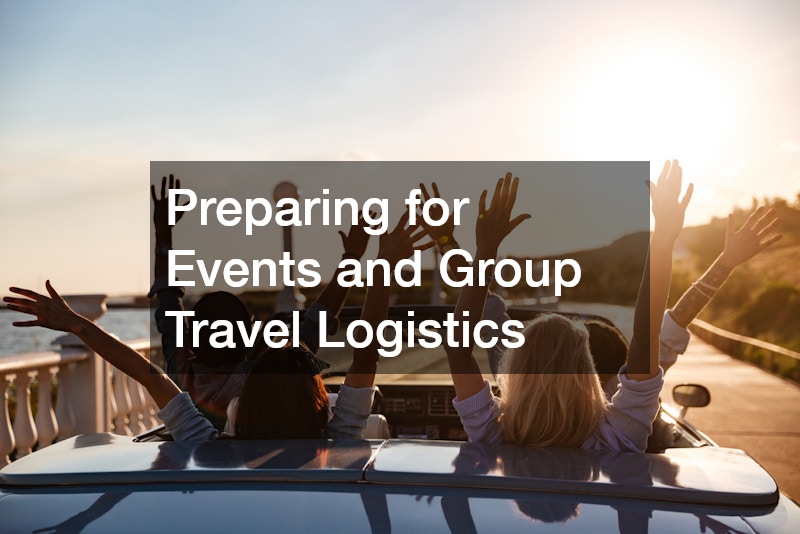
Many travel startups expand revenue by supporting group travel, weddings, retreats, and corporate gatherings. These opportunities can be highly profitable when logistics are handled correctly.
Managing event-based travel often involves coordinating event equipment such as tents, seating, lighting, or staging elements. While your startup may not own these assets, partnering with reliable suppliers helps deliver cohesive experiences.
Effective event planning includes:
- Clear timelines for setup and breakdown
- Backup plans for weather or last-minute changes
- Defined responsibilities among vendors and staff
Group travel introduces additional risk, so communication becomes critical. Clear expectations with clients and partners reduce misunderstandings and protect your reputation. By mastering group logistics, travel startups unlock new revenue streams while strengthening relationships with venues and planners. These partnerships often lead to repeat business and long-term contracts.
Protecting Your Startup With the Right Legal Structure
Legal planning is a cornerstone of sustainable growth. Travel businesses face unique risks related to liability, contracts, and regulatory compliance, making professional guidance essential. Working with a business law firm helps founders structure their company correctly, draft contracts, and address insurance requirements. Legal preparation protects both the business and its customers and helps prevent costly disputes that can derail operations.
Key legal considerations include:
- Entity formation and ownership agreements
- Vendor and partner contracts
- Liability waivers and customer terms
Proactive legal planning reduces exposure to disputes and supports smoother expansion. When entering new markets or adding services, legal advisors help navigate local regulations and licensing requirements. By addressing legal matters early, travel startups avoid costly corrections later and operate with greater confidence.
Additionally, having a legal partner facilitates ongoing compliance as your business grows. Travel startups often face changing rules related to safety standards, employee regulations, and consumer protection laws. Regular consultation with a business law firm ensures that your contracts, policies, and operations remain up to date, reducing risk and allowing founders to focus on growth and customer experience.
Offering Premium Transportation Experiences
Transportation often defines how customers perceive a travel experience. Comfort, punctuality, and presentation all influence satisfaction levels. Some startups incorporate limousine services to cater to luxury travelers, corporate clients, or special events. Premium transportation adds perceived value and supports higher pricing tiers.
To integrate upscale transportation successfully:
- Maintain consistent service standards
- Train drivers to represent the brand professionally
- Coordinate schedules closely with lodging and events
Transportation services can also differentiate your startup from competitors by elevating the overall travel experience from start to finish. When handled professionally, reliable and comfortable transportation adds perceived value and reinforces your brand’s attention to detail. Guests are more likely to associate positive emotions with a trip when transportation feels seamless and well coordinated. These experiences often lead to strong word-of-mouth referrals, repeat bookings, and higher customer satisfaction across all travel offerings.
Integrating luxury transportation additionally allows startups to create bundled packages or premium offerings that appeal to niche markets. By promoting the availability of limousine services within marketing materials or curated itineraries, startups can attract higher-spending clients and generate additional revenue streams. Thoughtful transportation planning also strengthens operational logistics, minimizing delays and ensuring that each aspect of the travel experience aligns with your brand promise.
Scaling Operations With the Right Physical Workspace

As a travel startup grows, administrative demands increase. Managing bookings, partnerships, and customer support requires dedicated space and organization.
Office space leasing allows founders to separate operations from personal environments, improving focus and professionalism. A physical office also supports team collaboration and client meetings.
When selecting a workspace, consider:
- Proximity to key partners or destinations
- Scalability as staffing needs grow
- Cost efficiency relative to revenue
A functional workspace supports better decision-making and operational clarity, which directly impacts profitability. Having an organized environment helps reduce distractions, improve communication, and allows daily tasks to flow more efficiently. Clear access to tools, documents, and systems minimizes delays and prevents costly mistakes. When operations run smoothly, leadership can focus on strategic growth rather than constant problem-solving, strengthening long-term business performance.
Expanding Group Travel Revenue Opportunities
Group transportation offers significant revenue potential when managed efficiently. Coordinating social outings, celebrations, and excursions allows startups to serve multiple customers simultaneously.
In some markets, incorporating a party bus option appeals to nightlife travelers and event groups. These services work best when safety, scheduling, and customer expectations are clearly defined.
Successful group transport strategies include:
- Clear capacity limits
- Structured pricing packages
- Trained staff to manage group dynamics
Handled properly, group services generate high margins and strong repeat demand by allowing businesses to maximize capacity while controlling costs. Serving multiple customers at once reduces per-client expenses related to staffing, fuel, logistics, or equipment use. These services also encourage bookings and packaged offerings, which stabilize cash flow and improve forecasting. When paired with reliable scheduling and consistent service quality, group offerings often lead to repeat customers, referrals, and long-term relationships that strengthen overall revenue performance.
Maintaining Partnerships That Support Travel Assets
Asset reliability is essential for travel startups that rely on equipment or vehicles. Downtime impacts revenue and customer satisfaction. Establishing relationships with boat repair companies helps startups maintain consistent service availability. Preventive maintenance reduces emergency repairs and unexpected disruptions.
Strong vendor partnerships are built on:
- Clear service expectations
- Regular maintenance schedules
- Open communication
Reliable assets support smooth operations and protect brand reputation by reducing service interruptions, delays, and customer dissatisfaction. Well-maintained equipment and vehicles allow teams to deliver consistent experiences that meet client expectations every time. Dependable assets also lower the risk of emergency repairs, which can disrupt schedules and inflate operating costs. Over time, this reliability builds trust with customers, strengthens reviews and referrals, and reinforces a professional image in a competitive market.
Supporting Cold Storage and Specialized Logistics

Some travel startups operate in food-focused or event-driven niches that require temperature control. Catering, festivals, and extended excursions often depend on proper storage.
Using refrigerated trailer rental services allows startups to meet logistical needs without permanent investment. Flexible solutions support seasonal demand and special events.
Proper planning includes:
- Matching capacity to event size
- Coordinating delivery and pickup times
- Monitoring compliance with safety standards
Smart logistics planning supports expansion while controlling costs by improving coordination, reducing waste, and maximizing the use of available resources. When logistics are organized efficiently, businesses can scale operations without adding unnecessary overhead or complexity. Thoughtful planning also improves delivery timelines and service reliability, which strengthens customer satisfaction and retention. As demand grows, streamlined logistics create a foundation for sustainable growth and long-term profitability.
Building a profitable travel startup from scratch requires far more than a great idea. Success comes from thoughtful planning, disciplined execution, and a willingness to invest in systems that support long-term growth. By focusing on a clear niche, developing strong partnerships, and maintaining operational standards, founders create businesses that customers trust and return to.
Every decision, from branding to logistics, influences profitability. Startups that treat supporting services as strategic assets gain stability and scalability. Legal planning, workspace organization, transportation options, and asset maintenance all contribute to a stronger foundation.
The travel industry rewards businesses that deliver consistent experiences while adapting to changing demand. By prioritizing professionalism, clarity, and customer value, your startup can move beyond survival and into sustainable growth. With patience and smart execution, a travel business built from scratch can become a reliable and profitable venture.