
Key Takeaways
- The green industry is expanding quickly, with strong demand for arborists, trimmers, and removal crews across both residential and commercial markets.
- Certifications like ISA Credentials and basic safety training can replace years of hands-on background when you are just entering the field.
- Starting lean with used equipment, a reliable truck, and a chipper keeps upfront costs manageable while you build a customer base.
- Insurance, licensing, and legal setup are non-negotiable — skipping them can wipe out profits after a single accident.
- Pricing jobs correctly from day one protects your margins and prevents the common trap of undercharging to win work.
- Word-of-mouth, Google Business Profiles, and local partnerships generate more leads for newcomers than paid ads in the early months.
- Growth comes from steadily adding services, training crews, and reinvesting profits rather than chasing fast scale.
Why the Green Industry Is a Smart Place for Newcomers
Most people assume you need a decade of chainsaw experience and a family history of climbing before you can work with trees for a living. That assumption keeps a lot of capable entrepreneurs on the sidelines. The reality is friendlier than the myth. Homeowners need storm cleanup, utility companies need clearance work, and cities need ongoing maintenance — and demand keeps rising every year.
What makes this field especially attractive to beginners is that it rewards practical skill over credentials. You can learn the basics, hire for the technical gaps, and grow at your own pace. If you are willing to study, follow safety protocols, and treat customers well, you can carve out a profitable niche in your local market.
This guide is written for the complete beginner. No background assumed, no shortcuts skipped. By the end, you will understand exactly what the industry looks like, what it costs to enter, and how to move from zero knowledge to your first paying job.
What Does the Tree Care Industry Actually Look Like?
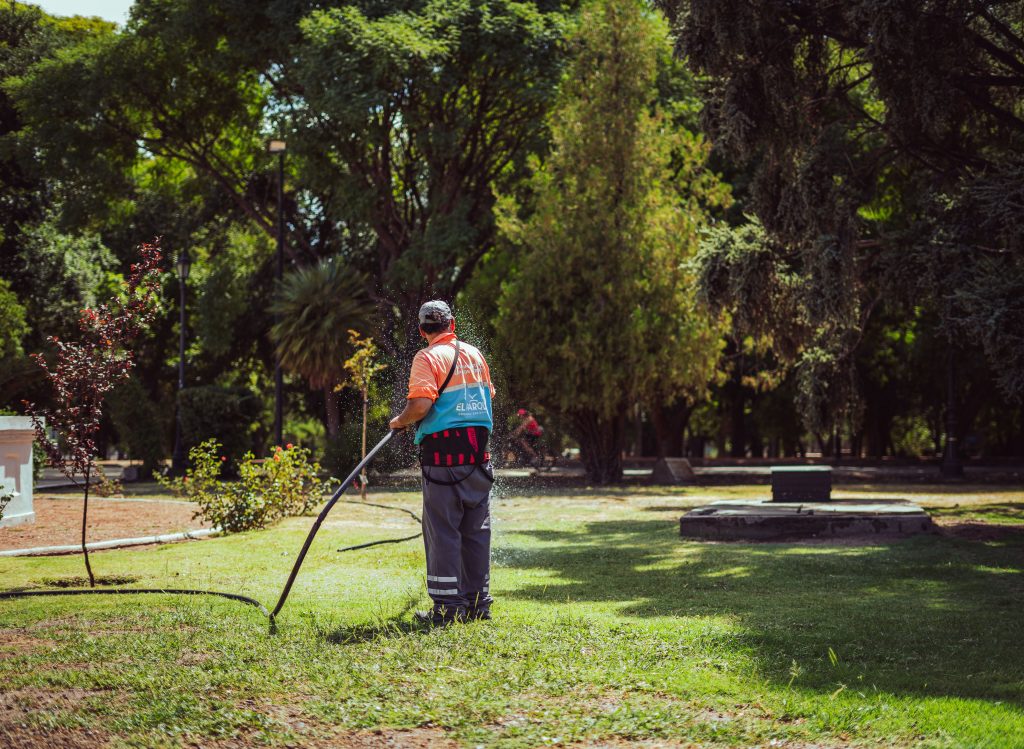
Before you jump in, it helps to understand the landscape. Tree care is a broad category that includes pruning, removal, stump grinding, cabling, bracing, disease treatment, land clearing, and emergency storm response. Some operators specialize in one service. Others offer a full menu. Both approaches can work depending on your area.
The market is also bigger than most beginners realize. According to Crestmont Capital, the combined U.S. tree trimming and tree care sector generates somewhere between $26 billion and $39.5 billion annually. That is a massive pie, and no single company dominates it. Most of the work is still handled by small, local operators — which is exactly where a newcomer can compete.
Who Your Customers Will Be
Your typical client falls into one of a few buckets:
- Homeowners with dead, damaged, or overgrown trees near their house
- Property managers handling apartment complexes or HOAs
- Commercial sites needing landscaping maintenance
- Municipalities contracting out right-of-way work
- Insurance companies dispatching storm damage cleanup
Each customer type has different expectations, payment cycles, and bidding processes. Start with residential work. It pays quickly, teaches you the trade, and builds reviews fast.
How to Start a Tree Business When You Have Zero Experience
Here is the honest truth about how to start a tree business: you do not need to be a certified arborist on day one, but you do need a plan for getting trained — fast. Begin by working a few weekends or evenings with an established crew in your area. Many owners will trade basic labor for mentorship. You will pick up rigging, cutting angles, and job flow that no YouTube video can teach.
Next, enroll in a short safety course. The TCIA, OSHA, and local community colleges all offer entry-level programs. Pair this with reading the ANSI Z133 safety standards cover to cover. These documents are the backbone of professional tree work.
Then take the paperwork seriously. Register your business as an LLC, open a dedicated bank account, and get an EIN from the IRS. These small steps separate a side gig from a real operation and make everything downstream — insurance, taxes, hiring — far easier to manage.
What Equipment and Insurance Do You Really Need?
Gear is where beginners either overspend wildly or dangerously underequip themselves. The middle path is to buy quality used equipment for the essentials and rent anything you only need occasionally. You can always upgrade as revenue grows.
A realistic starter kit looks like this:
- A reliable pickup truck with a towing package
- A mid-size wood chipper, used models run $8,000 to $15,000
- Two professional chainsaws plus a top-handle saw for climbing
- Climbing gear: saddle, ropes, lanyards, helmet, and spikes
- Chipping forks, rakes, tarps, and a dump trailer
- First aid kit, fire extinguisher, and traffic cones
Insurance is where you cannot cut corners. You need general liability, commercial auto, and workers’ compensation if you hire anyone. Expect to pay $4,000 to $12,000 annually depending on your state and coverage levels. Before you buy a single saw, read up on the risks of owning tree business so you understand what your insurance actually needs to protect against.
Why Safety Equipment Pays for Itself
A good helmet, chaps, and proper rigging gear seem expensive until you compare them to a single ER visit. Tree work is consistently ranked among the most dangerous trades in the country. Spending $1,500 on PPE up front can prevent injuries that would otherwise end your career before it starts. Treat safety gear as the cheapest insurance you will ever buy.
How to Price Your First Jobs Without Losing Money
New operators almost always underprice. They see a competitor charge $500, assume they can win work at $350, and end up losing money on every job. Do not fall into this trap. Price around the value you deliver and the real cost of doing the work safely.
For context, Lawn Love reports that the national average cost to remove a single tree sits at around $850, with typical jobs ranging from $385 to $1,070. Use that as a benchmark, then adjust for your region, tree size, access difficulty, and disposal costs.
Build your estimates from the ground up by factoring in:
- Labor hours for every crew member on site
- Fuel, chipper wear, and saw maintenance
- Dump fees for debris
- Insurance and overhead allocation per job
- A profit margin of at least 20 to 30 percent
Write every quote on a branded estimate form and include a clear scope of work. This protects you from scope creep and shows clients you are a professional, not a guy with a chainsaw.
Where Your First Customers Will Actually Come From

Marketing is where most beginners waste money. They pour cash into Google Ads before they have reviews, a website, or a portfolio. Skip that trap. Your earliest customers will come from close-range, trust-based channels — not paid campaigns.
Start with these free or low-cost tactics:
- Create a Google Business Profile and request reviews after every job
- Post before-and-after photos on Facebook neighborhood groups
- Partner with landscapers and lawn care companies for referrals
- Introduce yourself to local real estate agents and property managers
- Door-knock neighbors after you finish a visible job
Networking with certified arborists in your area is another underrated move. Many seasoned pros are too busy to take small residential jobs and will happily pass leads your way if they trust your work. Offer to subcontract on larger removals to prove yourself, then let the referrals flow naturally.
Building a Simple Online Presence
You do not need a $5,000 website to look credible. A single-page site with your service list, service area, phone number, and a gallery of completed jobs is enough for the first year. Add your business name, address, and phone number consistently across every directory you can find — Yelp, Angi, Nextdoor, HomeAdvisor, and Thumbtack. Consistency across these listings tells Google you are a real local operation, which boosts your map rankings faster than any paid ad.
Collect reviews aggressively. Text clients a direct link to your Google review page the same afternoon you finish a job, while the experience is still fresh. Ten honest five-star reviews will outperform a professionally designed website every single time when it comes to converting local searches into booked work.
How Do You Grow From Solo Operator to Real Company?
The jump from one-person crew to multi-truck operation is where most newcomers stall. You get busy, start turning down work, and burn out trying to do everything yourself. Growth requires a mindset shift from doing the work to building the system that does the work.
Start by documenting every process you repeat. How you quote a job, how you load the truck, how you handle a customer complaint, how you invoice. Written procedures let you train a helper in a week instead of a month. Your first hire should be a groundsman, not another climber — they are easier to find, cheaper to pay, and free you up to focus on the skilled cutting that generates revenue.
Expanding Your Service Menu Strategically
Once your core removal and pruning work is steady, add services that use equipment and crews you already have:
- Stump grinding, which turns a $600 removal into a $900 total ticket
- Seasonal pruning contracts for repeat recurring income
- Emergency storm response, which commands premium rates
- Lot clearing for small builders and developers
- Firewood sales from the wood you are already hauling away
Each add-on should increase revenue per job without requiring a second truck roll. That is the formula for real margin growth.
When Should You Reinvest Versus Take Profits?
In the first two years, nearly every dollar of profit should go back into the operation. This is the stage where your tree business is still fragile, and every upgrade compounds into faster jobs, bigger contracts, and higher margins. A newer chipper cuts your job time in half, which means you can squeeze a second or even third removal into the same day instead of burning afternoon hours feeding brush into an underpowered machine. A bucket truck opens up work you currently have to turn down — the tall silver maples, the dead oaks hanging over roofs, the commercial jobs that require you to be off the climbing line and on-site fast. A second crew doubles your capacity overnight, letting you run residential removals on one truck while the other knocks out pruning contracts or storm cleanup across town. Each piece of equipment or hire should have a clear payback period — ideally under 18 months — before you commit. Run the math honestly: if a $45,000 mini skid steer saves you ten hours per job and you book three qualifying jobs a month at $800 of saved labor each, you know exactly when that machine pays for itself and starts printing margin.
Keep personal draws modest and predictable. Pay yourself a set salary rather than scooping cash whenever the account looks healthy. A good rule of thumb early on is to pay yourself just enough to cover your household baseline, then revisit that number every six months as revenue grows. This discipline keeps the company funded through slow winter months and positions you to weather the inevitable broken-down truck, canceled contract, or insurance premium hike without panic. It also forces you to separate the health of the business from the health of your checking account — a distinction that trips up most owners learning how to start a tree business and causes otherwise profitable operations to stall out in year three. Build a cash reserve equal to at least two months of fixed overhead before you start taking larger distributions, and treat any profit above that cushion as a decision, not a reward.
Conclusion
Entering the green industry without a background in it is not just possible — it is happening every day across the country. The people who succeed are not the ones with the most experience on day one. They are the ones who commit to learning fast, operating safely, pricing honestly, and treating every customer like a long-term relationship rather than a one-time transaction.
Your first year will be humbling. You will misquote jobs, break equipment, and lose sleep over weather forecasts. That is normal, and it is the tuition every new operator pays. What matters is that you keep showing up, keep refining your systems, and keep reinvesting in the tools and training that make the work safer and more profitable.
The opportunity in front of you is real. Local demand is strong, competition is fragmented, and customers are actively looking for reliable crews they can trust. Follow the steps in this guide, stay patient through the early grind, and in three to five years you can be running a legitimate operation with trucks, crews, and recurring revenue — all from a standing start with no prior experience.